
Ceramic coating

Ceramic coating starts with proper paint preparation.

A durable protection option for drivers who want improved water behaviour and a vehicle surface that is easier to maintain.

Request ceramic coating
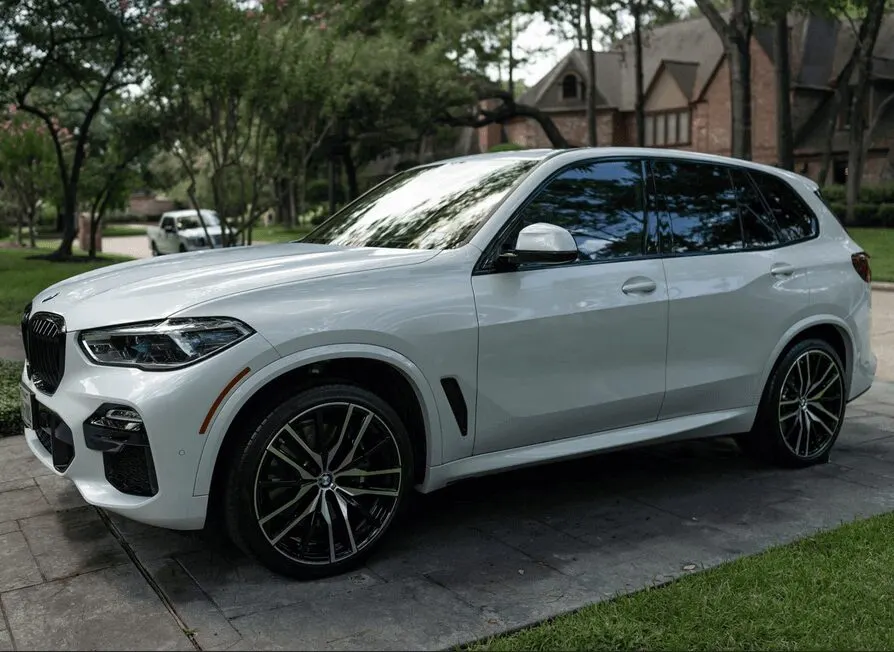
Glossy black BMW after exterior detailing and paint protection

A condition-based service

Start with the vehicle in front of us.

A ceramic coating bonds to a properly prepared exterior surface and creates a durable protective layer. Its practical benefits can include improved water behaviour, resistance to ordinary environmental contamination, and a finish that is generally easier to wash. It is a paint-protection and maintenance option, not a replacement for cleaning, correction, or careful ownership.

Preparation is central to the result. The exterior needs to be washed, assessed, and prepared so the coating is applied to a suitable surface. If swirls, haze, or light defects are visible and would remain distracting, paint correction should be discussed before the coating is installed. Protection tends to preserve the appearance beneath it; it does not hide or safely remove existing defects.

A coating also does not make paint invulnerable. It does not eliminate washing, prevent every scratch, stop stone chips, or replace paint-protection film where impact resistance is the main objective. Performance depends on the condition and preparation of the surface, application, curing, and ongoing care. Setting those expectations before booking makes it easier to decide whether coating matches how the vehicle is used and maintained.

Service scope

What a coating appointment involves

The final scope depends on paint condition and the desired result. The core conversation includes:

  • Exterior washing and condition-based decontamination to prepare the surface for inspection.
  • Review of existing swirls, haze, scratches, chips, body damage, or clear-coat concerns.
  • Any agreed paint refinement needed before protection, kept separate from what the coating itself does.
  • Application to the prepared surfaces, followed by the appropriate initial cure and aftercare instructions.

Ceramic coating is protection, not defect removal. If paint appearance is the main concern, review paint correction first and describe both goals in the appointment request.

The process

Clear from request to pickup.

The exact work follows the confirmed scope, materials, and starting condition of your vehicle.

  1. 01

    Discuss how you use it

    Share parking, driving, washing habits, current paint condition, and whether easier care or finish preservation is the priority.

  2. 02

    Prepare the surface

    The vehicle is cleaned and assessed, with decontamination and any agreed refinement completed before coating.

  3. 03

    Apply the coating

    The selected exterior surfaces receive the coating under a process suited to the product and prepared finish.

  4. 04

    Cure and hand over

    Initial curing is respected and the vehicle is returned with practical guidance for the first wash and ongoing care.

Choosing the right work

Decide whether coating fits your priorities

Coating is most relevant when you value durable paint protection and simpler routine cleaning, and you are prepared to maintain the finish. Describe where the vehicle is parked, the distance and conditions it usually sees, and how you currently wash it. Those details help frame the expected use more honestly than treating coating as a maintenance-free solution.

If the finish mainly needs routine cleaning and shorter-term protection, exterior detailing may be the better conversation to start. If swirls, haze, or wash marring are the concern, begin with paint correction. When both improvement and longer-lasting protection matter, the processes can be planned in the correct sequence.

After the appointment

Care still matters after coating

Follow the handover guidance before the first wash so the initial cure is not disrupted. After that, use careful washing and drying methods, clean tools, and products suitable for the coated finish. Remove bird droppings and other fresh contamination promptly rather than relying on the coating to resist unlimited exposure.

Watch how the surface behaves during routine cleaning. Environmental buildup can still collect, and an apparent change in water behaviour does not automatically mean the coating has disappeared. Ask the shop to assess the condition before using aggressive cleaners or polishing products that may affect the protected surface.

Common questions

Ceramic Coating FAQ

Have a condition-specific question? Include it with your vehicle details or call the shop.

236-591-WASH
Does ceramic coating remove swirls or scratches?

No. Coating protects a prepared surface. Existing swirls, haze, and suitable light defects are addressed separately through paint correction when agreed.

Will I still need to wash the vehicle?

Yes. A coating can make routine cleaning easier, but careful washing and prompt attention to contamination remain important.

Does ceramic coating prevent stone chips?

No. A coating is not a substitute for paint-protection film when resistance to physical impacts is the primary goal.

What should I include in a coating request?

Share the vehicle, paint condition, visible defects, parking and washing habits, recent bodywork if relevant, and whether protection or appearance improvement is the main priority.

Tell us about the vehicle and the result you want.