Exterior detailing

Exterior detailing built around the vehicle’s finish.

Careful exterior cleaning and protective finishing for drivers who want a cleaner surface, renewed gloss, and easier routine maintenance.

Request exterior detailing
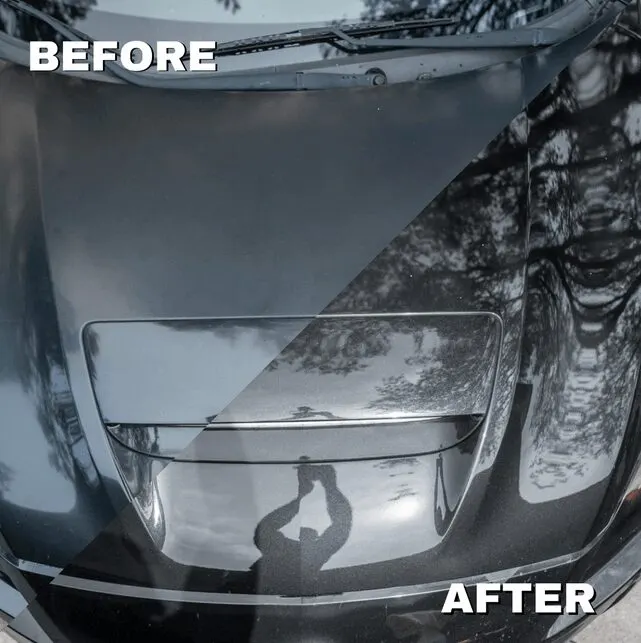
Before and after comparison of an exterior vehicle detail

A condition-based service

Start with the vehicle in front of us.

Exterior detailing starts with the condition of the vehicle, not with a promise that every body panel needs the same treatment. Road film, dust, pollen, water spotting, and contamination can build up differently depending on how the vehicle is driven, parked, and washed. A suitable process removes ordinary buildup while respecting paint, trim, glass, wheels, and other exterior materials.

A wash-and-wax service is intended to clean the exterior and leave a protective finish that supports gloss and routine care. It is not the same as paint correction. Washing can reveal swirls, haze, oxidation, chips, or deeper scratches, but cleaning alone does not safely remove those defects. If appearance concerns remain after the surface is clean, the paint can be assessed separately for correction or another appropriate next step.

Surrey’s wet months can leave road film and grit around lower panels, wheel areas, and exterior creases. Outdoor parking adds environmental exposure throughout the year, while routine washing methods can also influence the finish over time. There is no useful one-size-fits-all schedule. Look at water behaviour, surface feel, visible buildup, and whether a normal maintenance wash still produces the result you expect.

Service scope

What exterior detailing can include

The exact work is confirmed from the vehicle and the requested outcome. A typical exterior conversation covers:

  • A careful wash of painted surfaces, exterior glass, trim, and other agreed body areas.
  • Attention to common buildup around wheels, lower panels, badges, seams, and exterior creases.
  • Condition-based surface preparation before a suitable protective wax or finish is applied.
  • A final visual review of gloss, remaining defects, and areas that may require a different service.

Bonded contamination, overspray, deep scratches, chips, rust, failing clear coat, and body damage are not routine wash concerns. Mention unusual contamination when booking so it can be assessed before work begins.

The process

Clear from request to pickup.

The exact work follows the confirmed scope, materials, and starting condition of your vehicle.

  1. 01

    Describe the finish

    Share the vehicle, parking conditions, recent care, and concerns such as road film, dullness, contamination, or water behaviour.

  2. 02

    Inspect and prepare

    The exterior is reviewed so the wash and surface-preparation steps can match the materials and visible condition.

  3. 03

    Clean and protect

    Agreed exterior areas are cleaned systematically, then a suitable protective finish is applied to the prepared surface.

  4. 04

    Review the result

    The finished vehicle is checked for consistent cleaning and for defects that require separate paint-care work.

Choosing the right work

Know when a different paint service is needed

Exterior detailing addresses cleanliness, presentation, and a protective finish. Paint correction is the relevant conversation when the primary goal is to reduce the appearance of suitable swirls, haze, or light surface defects. Ceramic coating is a longer-lasting protection option for a properly prepared surface. Those services may follow cleaning and inspection, but they perform different jobs.

Tell the shop how the vehicle is normally washed and where it is parked. Also note any recent bodywork, unusual contamination, or areas you do not want treated. An accurate starting description helps separate routine exterior care from defects or contamination that need a closer assessment.

After the appointment

Maintain the exterior after the appointment

Consistent, careful washing helps preserve the finished appearance. Remove bird droppings and fresh contamination promptly, avoid aggressive scrubbing, and use clean tools and methods appropriate for automotive finishes. The protective layer supports maintenance, but it does not make the exterior immune to scratching, impacts, or environmental exposure.

Watch for changed water behaviour, a rougher surface, or a maintenance wash that no longer restores the expected finish. Those signs are more useful than choosing the next appointment from a generic calendar.

Common questions

Exterior Detailing FAQ

Have a condition-specific question? Include it with your vehicle details or call the shop.

236-591-WASH
Is exterior detailing the same as paint correction?

No. Exterior detailing cleans and protects the finish. Paint correction uses machine polishing to improve gloss and reduce the appearance of suitable surface defects.

Does a protective wax remove scratches?

No. A protective finish does not remove deep scratches, chips, failing clear coat, or body damage. Paint concerns need a separate inspection.

What should I mention before booking?

Mention how the vehicle is parked and washed, visible contamination, recent bodywork, water spotting, overspray, dullness, or any specific areas of concern.

How often does an exterior need detailing?

The useful interval depends on driving, parking, weather exposure, washing habits, protection, and current condition rather than one fixed schedule.

Tell us about the vehicle and the result you want.