There is no honest one-size-fits-all detailing schedule. A garage-kept weekend car, an outdoor commuter, a work vehicle, and a family SUV accumulate different kinds of wear. The useful question is not simply how many months have passed. It is whether the current condition, use, and protection of the vehicle justify a deeper service.
Build a schedule around use and exposure
Drivers who park outdoors, cover long distances, carry children or pets, or use a vehicle for work will usually see buildup sooner. Covered parking, low mileage, regular careful washing, and quick attention to spills can extend the time between deeper appointments. A newer appearance does not always mean the protected surfaces are being maintained well, so look at how the vehicle is used as well as how it looks from a distance.
- Daily distance and whether the vehicle is used for commuting, work, or occasional trips.
- Outdoor versus covered parking at home and work.
- Passengers, pets, food, sports equipment, and cargo carried regularly.
- The quality and frequency of routine washing, vacuuming, and spot cleaning.
Surrey seasons change the type of buildup
Wet weather can carry moisture, road film, and grit into mats, lower trim, wheel areas, and exterior creases. Drier periods can bring more visible dust and pollen. Seasonal change is a useful inspection reminder, but it is not proof that every vehicle needs the same package at the same time. Check the places affected by your normal route and parking conditions.
Signs the interior needs more than routine cleaning
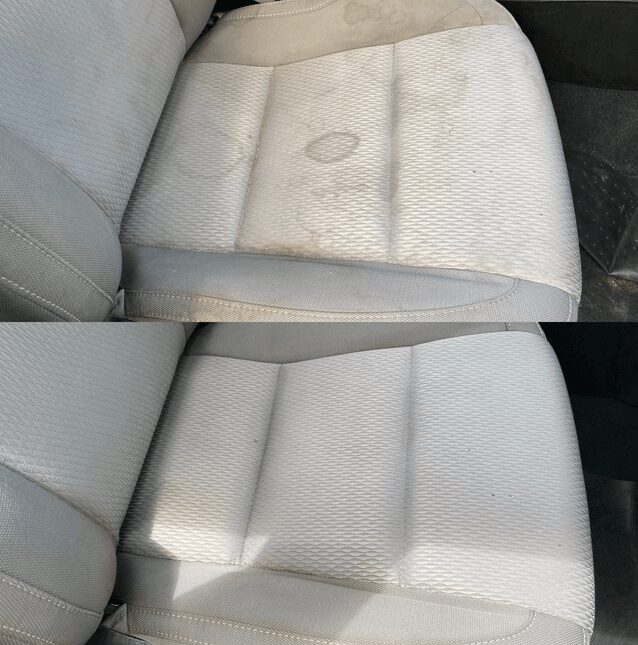
Consider a deeper interior service when normal vacuuming leaves debris in seams and carpets, touchpoints remain grimy, glass develops persistent film, or the cabin has spills, pet hair, or an odour that needs assessment. The interior detailing guide explains what to report before booking and why the vehicle’s starting condition matters.
Signs the exterior needs attention
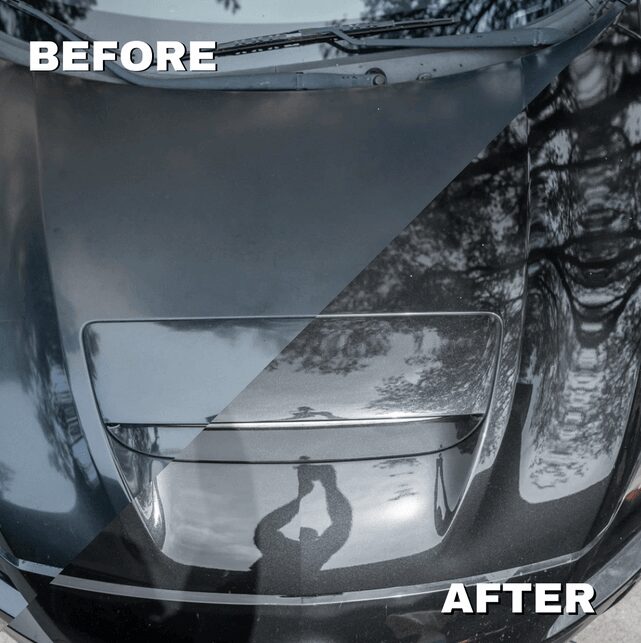
Exterior attention may be due when washing no longer restores a clean feel, water behaviour has changed, bonded contamination remains, or gloss is being muted by haze and swirls. Start with the complete detailing service list to separate routine wash-and-wax care from paint correction, ceramic coating, and other condition-specific work.
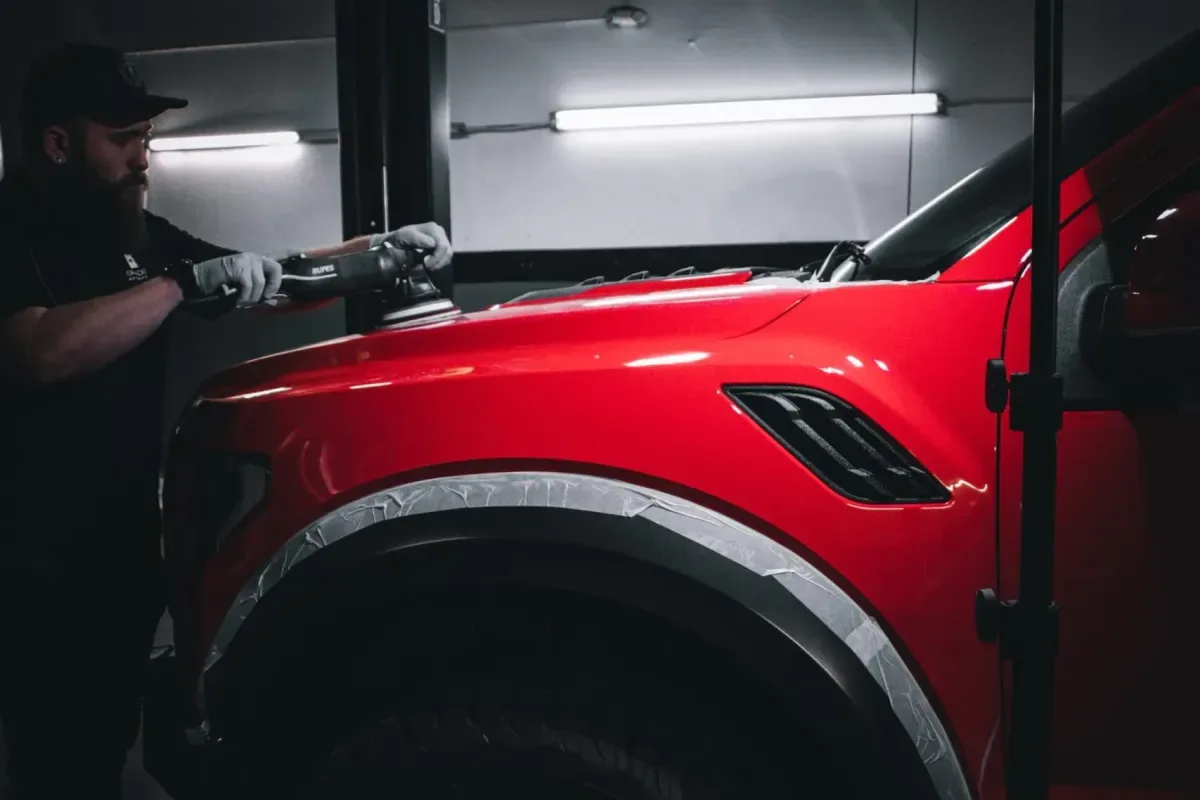
If the concern is paint appearance or protection, compare paint correction with ceramic coating. Those processes have different purposes and should not be placed on a calendar as though they were interchangeable maintenance tasks.
A practical way to plan
Inspect the vehicle at seasonal changes and after periods of unusually heavy use. Keep routine cleaning consistent, deal with spills and bird droppings promptly, and note when ordinary maintenance stops producing the result you expect. That creates a condition-based rhythm without paying for unnecessary work or waiting until buildup becomes harder to address.
When you want a shop assessment, request an appointment and include the vehicle, its current condition, where it is normally parked, and the outcome you want. That information is more useful than asking for a generic service based only on elapsed time.