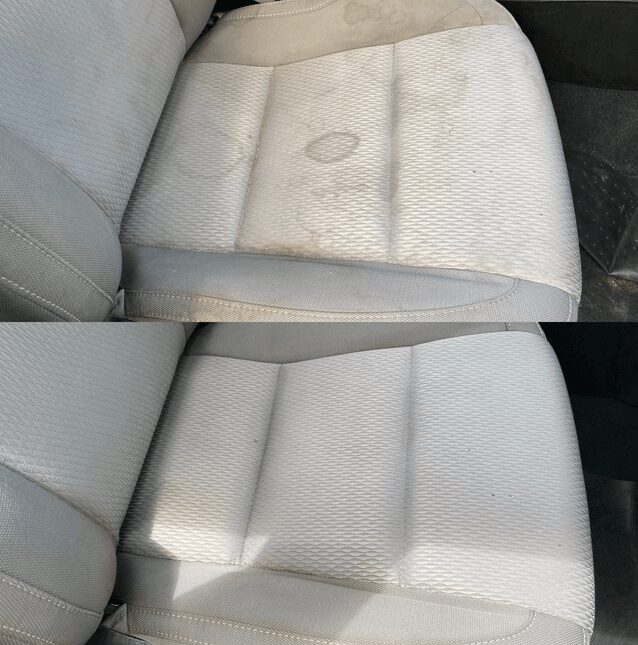
An interior detail is more than a quick vacuum and wipe-down. It is a condition-based cleaning process for the surfaces, fabrics, creases, glass, and storage areas that collect everyday buildup. The right scope depends on the vehicle: a lightly used commuter does not need the same work as a family vehicle with embedded debris, spills, or pet hair.
If you are comparing options, start with the shop’s interior detailing service and then describe the current condition honestly. That gives the detailer a better basis for confirming the work than choosing from a generic package name.
What an interior detail can include
A thorough interior reset normally works through the cabin systematically. The exact methods and products should match the materials and the agreed scope, but the common work areas include:
- Seats, carpets, floor mats, and accessible cargo areas.
- Dashboard, console, door panels, cup holders, vents, and trim.
- Interior glass, mirrors, and the edges where fingerprints and film remain visible.
- Creases and hard-to-reach areas that are often missed during routine cleaning.
Stains, odours, pet hair, and heavily soiled fabric can change the time and treatment required. They should be mentioned before the appointment rather than treated as an automatic inclusion. Some conditions need an assessment before a realistic result can be discussed.
When interior detailing is most useful
There is no single schedule that fits every driver. Interior detailing is useful when routine cleaning no longer restores the cabin, when debris has built up in seams and carpets, after a period of heavy family or work use, or before handing a vehicle to a new owner. It can also be a sensible seasonal reset after months of wet footwear and road debris.
Surrey’s wet months can bring moisture and grit into floor mats and carpeted areas. Summer can add dust and pollen. Those conditions do not create a universal detailing deadline, but they do make visual and tactile checks more useful than relying only on a calendar. Our guide to how often to detail a vehicle in Surrey explains how usage and parking conditions change the answer.
What to share before booking
A useful request includes the vehicle year, make, and model; whether the seats are cloth, leather, or another material; and the specific areas causing concern. Mention pet hair, spills, smoke exposure, odour, or anything that may need extra assessment. Photos can help when the shop asks for them, but they do not always show texture, moisture, or depth of staining.
Remove valuables and personal documents before the appointment. You do not need to pre-clean the vehicle to make it look better for the detailer—the current condition is useful information. When you are ready, request an interior detailing appointment with those vehicle details so the shop can confirm the next step.
Interior cleaning does not replace exterior paint care
Interior detailing addresses the cabin. Swirls, haze, gloss, and paint protection are separate exterior concerns. If those are part of your goal, read the comparison of paint correction and ceramic coating before deciding whether to discuss one or both processes.