Paint correction and ceramic coating are often discussed together, but they solve different problems. Correction is an appearance-improvement process. A coating is a protection and maintenance product applied to a prepared surface. Understanding that distinction helps prevent the common mistake of expecting one step to do the job of the other.
The short answer
Choose paint correction when the goal is to improve gloss and reduce the appearance of suitable swirls, haze, and light surface defects. Discuss a ceramic coating when the goal is longer-lasting protection and easier routine cleaning after the paint has been properly prepared.
Some vehicles benefit from both, performed in the right sequence. Others may need only preparation and protection, or a more limited improvement step. The paint should be inspected before anyone promises a particular level of correction.
What paint correction does
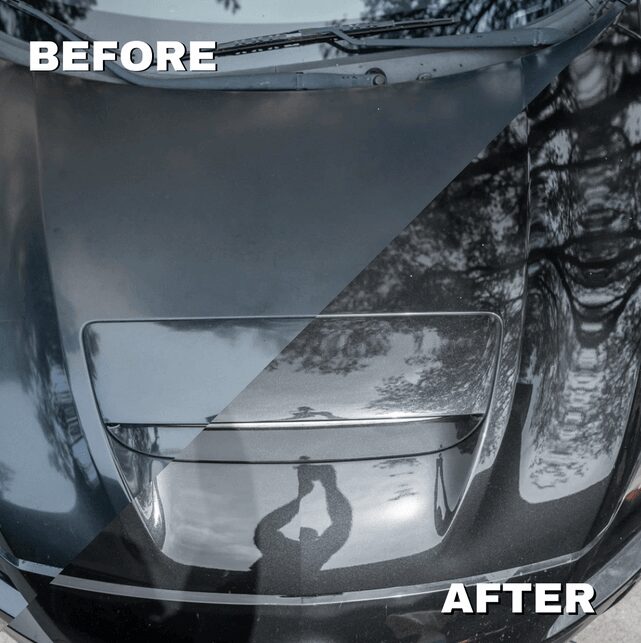
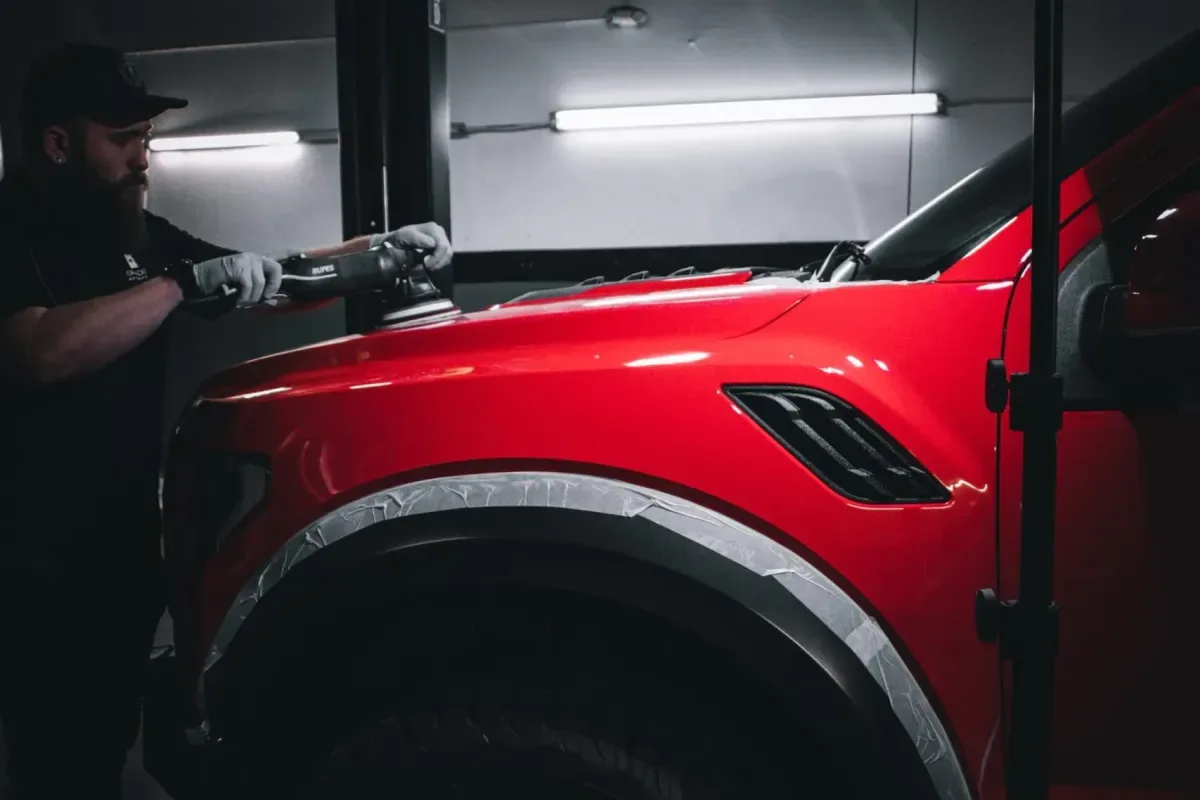
Paint correction uses machine polishing, suitable pads, and compounds or polishes to refine the clear coat. As the surface becomes more uniform, reflected light looks clearer and gloss improves. The process may reduce the visibility of swirls, wash marring, oxidation, or light scratches when those defects are within a safe working range.
Correction is not the same as repainting. Deep scratches, chips, failing clear coat, rust, and body damage are different problems. A responsible scope balances appearance improvement against preservation of the remaining finish. That is why a physical inspection matters more than a blanket claim that every defect can be removed.
What ceramic coating does
A ceramic coating bonds to a properly prepared exterior surface and creates a durable protective layer. Its practical value is improved water behaviour, resistance to ordinary environmental contamination, and a surface that is generally easier to wash. It can help preserve a finish, but it does not make paint invulnerable.
- A coating does not remove existing swirls or scratches.
- It does not eliminate the need for careful washing and maintenance.
- It is not a substitute for paint-protection film where impact resistance is the goal.
- Its performance depends on preparation, application, curing, and aftercare.
Why the order matters
Protection tends to preserve the appearance of the surface beneath it. If visible defects would bother you, address the desired level of improvement before the coating is installed. Preparation can include washing, decontamination, inspection, and polishing appropriate to the agreed result. The coating comes after that foundation is ready.
Which conversation should you start?
Start with correction if your main concern is dullness, haze, or swirl visibility. Start with coating if the paint is already in good condition and your priority is protection and easier care. Discuss both when you want a visible improvement followed by longer-term protection. In every case, share how the vehicle is parked, how it is washed, and what outcome matters most.
Use the appointment request to describe the paint condition and your priority. If you are also planning a cabin reset, review what is involved in interior car detailing so each part of the request has a clear scope.